
Compare Local Contractors for Gas Logs Installation Success
Compare local contractors for gas logs installation to define scope, verify experience, and set clear expectations for a successful project.
Gas logs installation typically involves setting up and connecting gas-powered logs within a fireplace or designated area to create a realistic and functional fire feature. This work includes ensuring proper placement of the logs for optimal aesthetic appeal, connecting the gas supply safely, and verifying that the system operates correctly. Contractors may also handle related tasks such as sealing the fireplace opening, installing control mechanisms, and ensuring the setup complies with safety standards. Clarifying the scope of work helps property owners understand what is included, whether it’s just the installation or also the setup of gas lines and venting adjustments.
Defining the scope of gas logs installation is essential to establish clear expectations and prevent misunderstandings. Property owners should specify the details of the work, including the type of logs, the complexity of the installation, and any additional features or modifications needed. Having a written outline of the scope can assist in comparing bids and ensuring all service providers are offering similar services. It also provides a reference point for addressing any questions or concerns that may arise during the project, fostering transparency and accountability.
Comparing local contractors for gas logs installation involves evaluating their experience, reputation, and the services they offer. Property owners can start by researching providers in the area, checking for references or reviews, and verifying their familiarity with the specific type of installation desired. It’s helpful to ask potential contractors about their previous projects, the methods they use, and how they approach safety and quality. By obtaining detailed information about each service provider’s approach and confirming their ability to meet the defined scope, property owners can make informed decisions and select a contractor who aligns with their project needs.
Compare local contractors by outlining your project priorities, verifying experience, and setting clear expectations in writing.
- Compare Contractor Credentials - Review the experience and reputation of local contractors to ensure reliable gas log installation services.
- Define Project Scope Clearly - Specify the details of the installation to set clear expectations with service providers.
- Verify Experience and Expertise - Confirm that contractors have relevant experience in gas log installation for quality results.
- Document Agreements in Writing - Ensure all project details and expectations are outlined in a formal agreement before work begins.
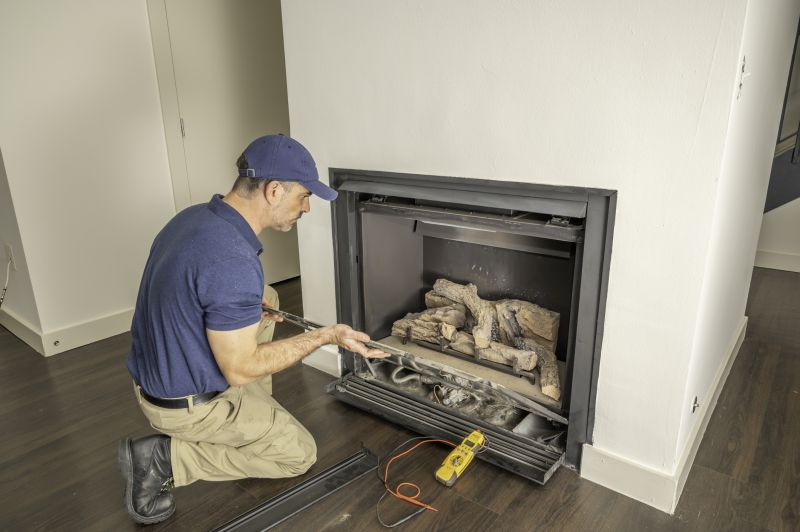
Clearly describe your gas logs installation project to help local contractors compare options and set clear expectations.
- Verify that the contractor has experience installing gas logs safely and correctly. - Ensure that scope of work and responsibilities are clearly defined in the written agreement.
- Check that the contractor understands local building codes and regulations related to gas log installation. - Confirm that the service provider follows all applicable safety standards and guidelines.
- Assess the contractor’s knowledge of different types of gas logs and their installation requirements. - Look for a detailed explanation of the installation process and materials used.
- Ensure the contractor provides a detailed written estimate outlining the scope of work and materials involved. - Clarify what is included in the service to avoid misunderstandings later.
- Confirm that the contractor will perform a thorough inspection of the existing venting and gas lines prior to installation. - Proper assessment helps prevent future issues and ensures compatibility.
- Check that the contractor offers a clear warranty or guarantee for the installation work performed. - A written warranty provides assurance of quality and service support.
Compare local contractors, verify experience, and clearly define scope to ensure a successful gas logs installation.
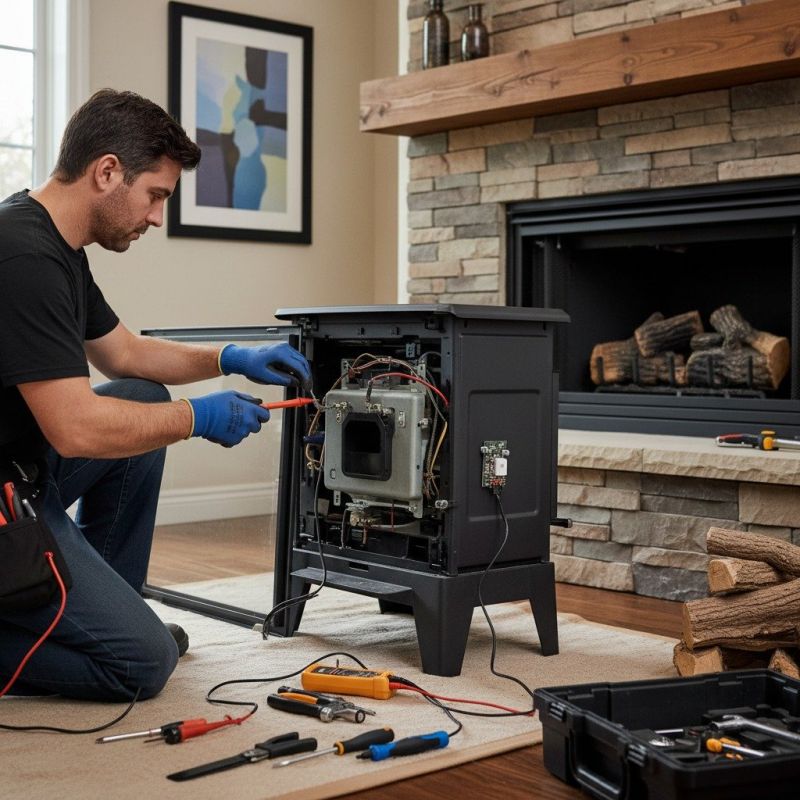

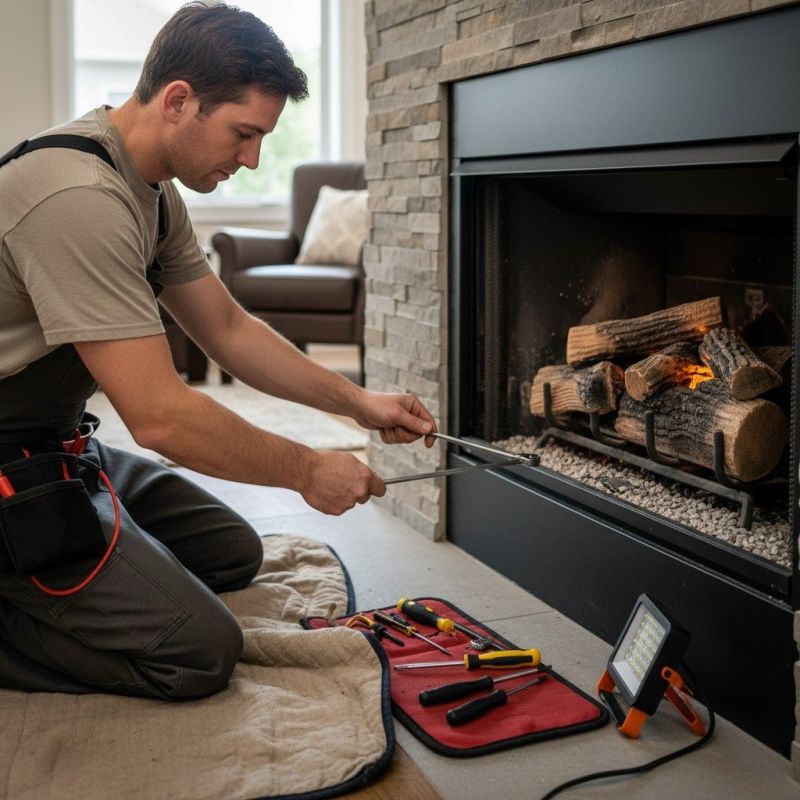
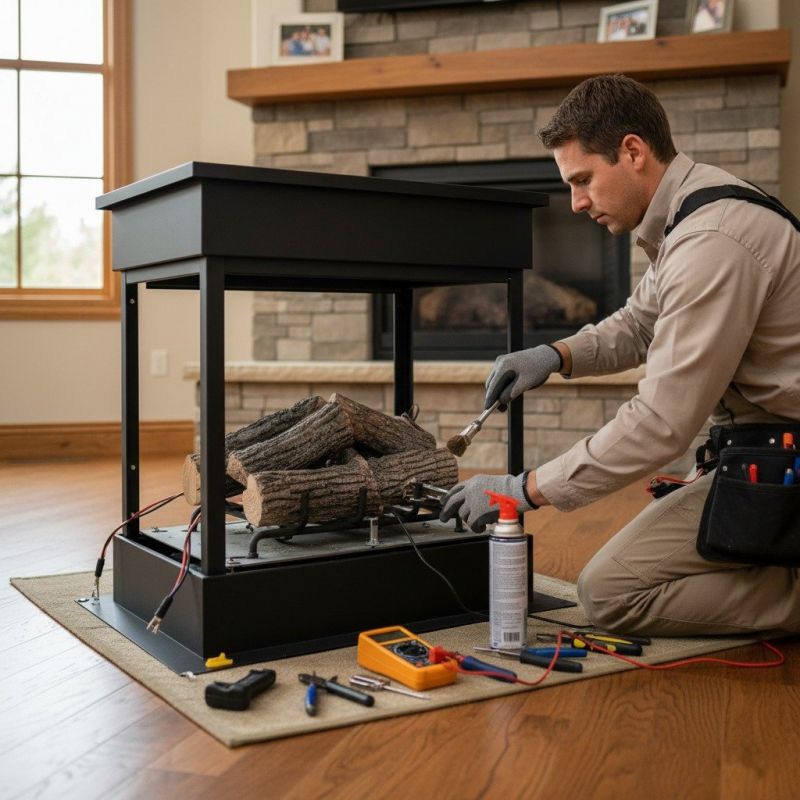
Compare local contractors consistently by defining the scope, verifying experience, and documenting expectations clearly.
- Scope Definition - Clearly outline the specific tasks involved in the gas logs installation to ensure mutual understanding.
- Experience Verification - Confirm that the service provider has relevant experience with gas log systems and installation procedures.
- Material Specifications - Specify the type, brand, and model of gas logs and related components to be installed.
- Installation Guidelines - Establish installation standards, including venting, clearance, and safety codes that must be followed.
- Written Agreement - Document all project details, expectations, and scope in a written agreement before work begins.
When comparing contractors for gas logs installation, it is important to assess their experience with similar projects. Homeowners should inquire about the types of gas log systems they have installed and whether they have worked with the specific model or style being considered. Contractors with a proven track record in installing gas logs in homes similar to the property in question are more likely to understand the nuances involved and deliver a quality result. Verifying the scope of their past work can help ensure that the contractor has relevant hands-on experience and the capability to handle the specific requirements of the installation.
A clear, written scope of work is a vital component when evaluating potential service providers. This document should outline the details of the installation process, including materials to be used, the steps involved, and any preparations or modifications needed for the existing setup. Having a comprehensive scope helps prevent misunderstandings and sets clear expectations for what the project entails. Homeowners are encouraged to review the scope carefully and ask for clarification or adjustments before proceeding, ensuring all parties are aligned on the work to be performed.
Verification of a contractor’s basic qualifications involves confirming their familiarity with local building codes and standards related to gas log installations. While licensing and certification are not discussed here, understanding whether a contractor follows proper safety practices and adheres to relevant regulations is essential. Homeowners can request references or examples of completed projects to verify that the contractor’s work meets industry standards and that previous clients have been satisfied with the results. This step helps establish confidence in the contractor’s ability to deliver a safe and compliant installation.
Evaluating options without focusing on pricing involves examining the quality of service, scope clarity, and the contractor’s experience. Homeowners should compare the details provided by different service providers, paying attention to the thoroughness of their proposals and their understanding of the project’s requirements. Asking questions about their approach, materials, and previous experience can help determine which contractor is best suited for the job. Ultimately, selecting a contractor based on their expertise, clarity in communication, and ability to meet project specifications can lead to a successful gas logs installation.
Request written scope and details from local contractors to ensure clear expectations and consistent work.
- Experience Verification - What level of experience do local contractors have with gas logs installation?
- Scope of Work - How clearly do contractors define the scope of the installation project?
- Comparison of Services - How do different service providers' offerings and approaches compare?
- Written Estimates - Are project details and expectations documented in writing before work begins?
- Previous Work - Can contractors provide references or examples of similar gas logs installations?
How can I compare contractors for gas logs installation? To compare local service providers, review their experience, verify their reputation, and check if they provide clear scope details and written estimates to ensure transparency and quality of work.
What should I include when defining the scope of gas logs installation? Clearly outline the type of gas logs, installation location, any necessary modifications, and safety considerations to help contractors understand the project requirements.
How do I verify a contractor’s experience with gas logs installation? Ask for references, review past work, and confirm that they have handled similar installations to ensure they have relevant expertise.
Why is it important to get the scope of work in writing? Having a detailed, written scope helps prevent misunderstandings, sets clear expectations, and provides a record of what was agreed upon for the project.
What questions should I ask a contractor before hiring for gas logs installation? Inquire about their experience, the process they follow, safety procedures, and what is included in their service to ensure they meet project needs.
How can I ensure a contractor is qualified to install gas logs safely? Confirm that the contractor understands safety standards, has relevant experience, and follows proper installation practices to help ensure a safe and proper setup.
By reviewing the information provided, visitors now understand the importance of clearly defining the scope of gas log installation projects, verifying the experience of local contractors, and setting expectations in writing to ensure a smooth process. Comparing multiple service providers through the quote form can help identify options that meet specific needs and preferences, making it easier to find the right fit for the job.
Using the quote form allows visitors to connect with local contractors who can handle gas log installation projects. This step provides an opportunity to explore different options, gather details, and make informed decisions based on the scope and experience of each service provider. Taking this approach can help streamline the process of selecting a contractor suited to individual requirements.